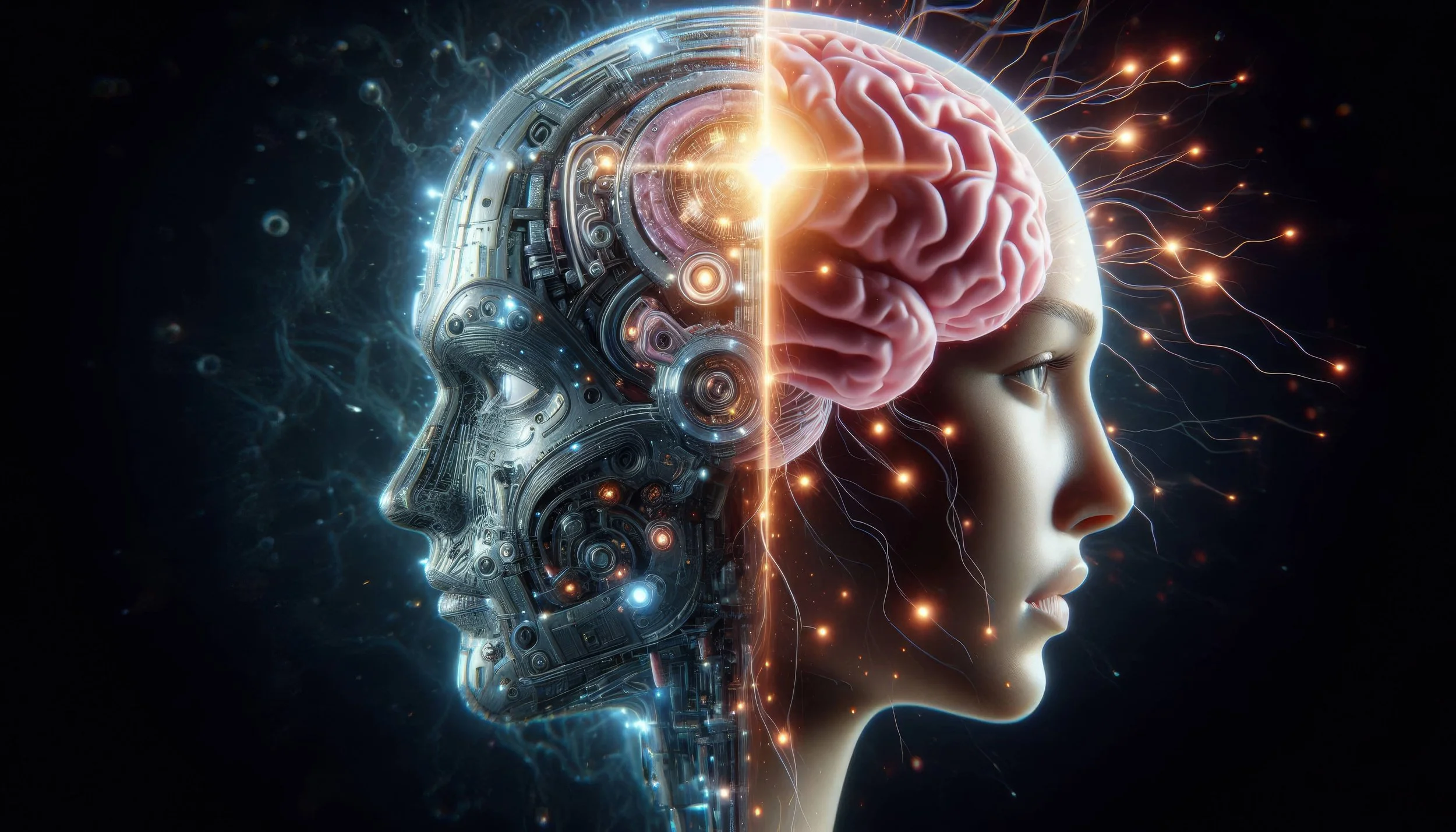
Access to knowledge has always shaped opportunity. In today’s intelligent economy, that opportunity increasingly follows access to advanced digital systems — particularly artificial intelligence. As AI becomes embedded in education, healthcare, finance, and governance, meaningful participation in modern society is becoming inseparable from digital capability. Yet access remains uneven, and the digital divide continues to define who can engage with the systems shaping the future.
According to the International Telecommunication Union (ITU) , billions of people worldwide remain offline. However, connectivity alone does not determine inclusion. Even in connected regions, disparities persist in digital literacy, mentorship, infrastructure quality, and exposure to advanced tools. The divide is not simply about bandwidth — it is about readiness, confidence, and opportunity.
Rethinking What the Digital Divide Really Means
The modern digital divide operates across multiple layers. Infrastructure forms the foundation: access to devices, reliable electricity, and stable connectivity. Beyond that lies skills development — the ability to navigate platforms, interpret data, and interact meaningfully with intelligent systems. Finally, there is opportunity: access to networks, mentorship, and real-world application. Without all three, connectivity does not translate into empowerment.
The World Bank has emphasized that digital skills are increasingly linked to economic mobility. As industries automate and AI reshapes workflows, individuals without exposure to intelligent systems risk exclusion from emerging sectors. The gap therefore becomes self-reinforcing: those without access fall further behind as systems become more advanced.
AI as a Multiplier for Access and Learning
When designed intentionally, artificial intelligence has the potential to function as a scalable equalizer. AI-driven systems can personalize learning pathways, translate complex technical material into accessible formats, and provide guided problem-solving that resembles early-stage mentorship. UNESCO has explored this potential in its work on AI in education , highlighting how adaptive tools can support diverse learners.
Personalized systems allow learners to progress at their own pace, reinforcing weak areas while accelerating strengths. Language translation tools can lower barriers in regions where dominant-language technical content excludes capable students. Intelligent tutoring systems can provide real-time feedback in contexts where teacher-to-student ratios limit individualized support. While AI cannot replace human mentorship, it can meaningfully reduce early-stage friction and build foundational confidence.
The promise lies in scale. Traditional mentorship models are constrained by geography and availability. Intelligent systems, by contrast, can extend baseline support across regions that have historically lacked technical ecosystems.
The Risk of Expanding Inequality
The same systems that hold transformative potential can also reinforce inequality. Advanced AI tools often depend on high-performance hardware, subscription-based access, and reliable infrastructure. Without intentional design and governance, the benefits of AI may concentrate among already advantaged populations.
The OECD AI Policy Observatory underscores the importance of regulatory frameworks and equitable deployment strategies. Inclusion does not occur automatically; it must be engineered through thoughtful policy, accessible design, and deliberate ecosystem development.
Looking Forward
The future of artificial intelligence should not be measured solely by benchmark performance or computational scale. Its true measure lies in reach — in how many new learners, creators, and communities gain meaningful access to opportunity.
Bridging the digital divide is therefore not only a technical challenge but a design decision. The systems we build today will determine who participates in shaping tomorrow’s intelligent economy. Inclusion must be deliberate, because the future will not distribute itself evenly.